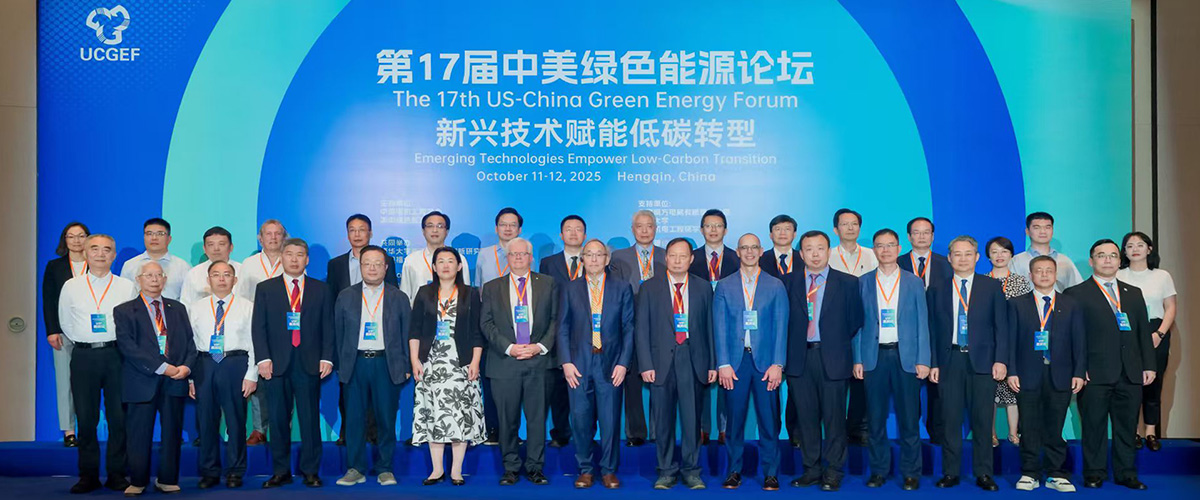
The 17th US-China Green Energy Summit was successfully convened in Hengqin, Guangdong Province, on October 11–12, 2025. More than 300 distinguished experts, scholars, government officials, business leaders, and clean energy innovators gathered to explore the theme “Emerging Technologies Empower the Low-Carbon Transition.”
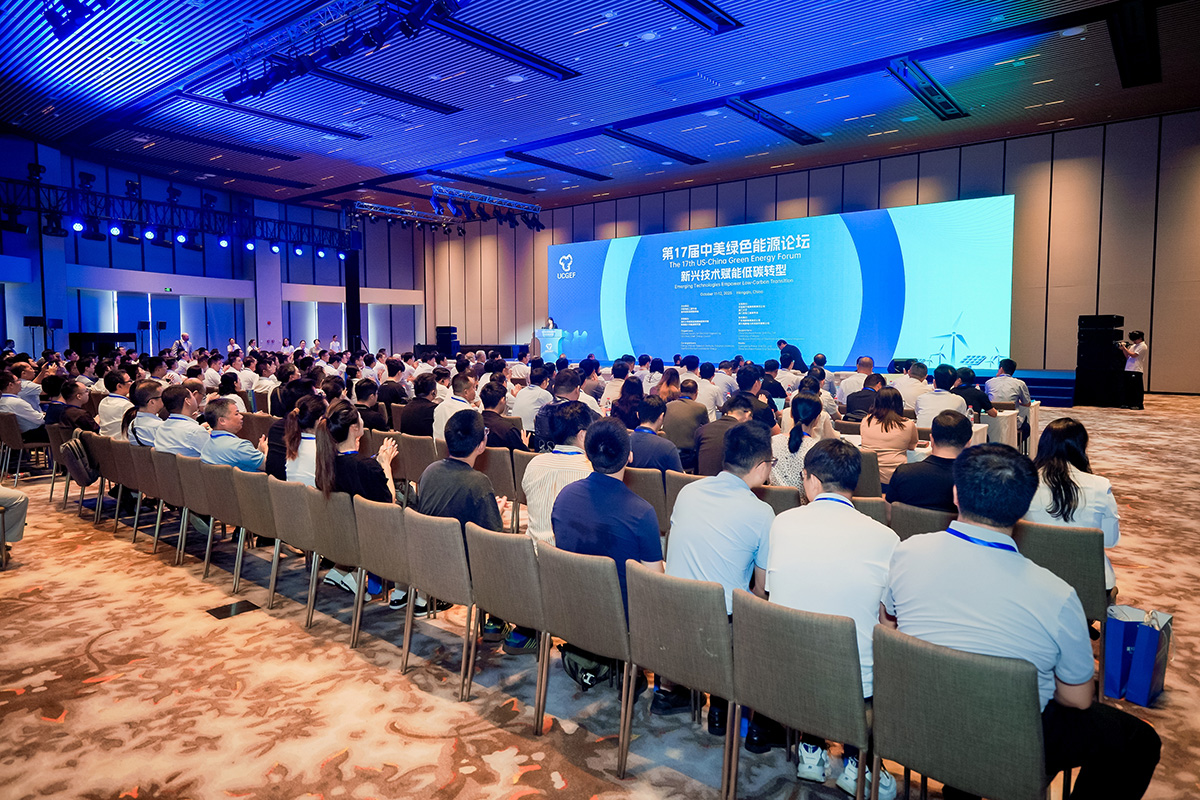
A Platform for High-Level International Dialogue
The Forum was hosted by the US-China Green Energy Council (UCGEC) and the Chinese Society for Electrical Engineering (CSEE), and co-organized by the Energy Internet Research Institute at Tsinghua University and Stanford Precourt Institute for Energy.
The event brought together two Nobel laureates, multiple academicians, energy leaders, investors, entrepreneurs, and prominent experts from United States and China.
Zhang Jianmin, Consul General of the People’s Republic of China in San Francisco, sent a congratulatory letter, expressing hope that this influential international platform would continue to foster cooperation and contribute to the clean and low-carbon transformation of energy systems in both countries.
Focus, Unity, and Perseverance
In his opening remarks, Dr. Qi Wang, Chairman and CEO of UCGEC, emphasized three essential principles for advancing global climate actions:
Focus on solving the most critical and complex challenges of carbon neutrality through technological and policy innovation.
Unity in integrating technology, policy, markets, and investment to form a coordinated “four-wheel drive” mechanism.
Perseverance in maintaining long-term strategic commitment, recognizing the green transition as an irreversible global megatrend.
Global Insights on the Energy Transition
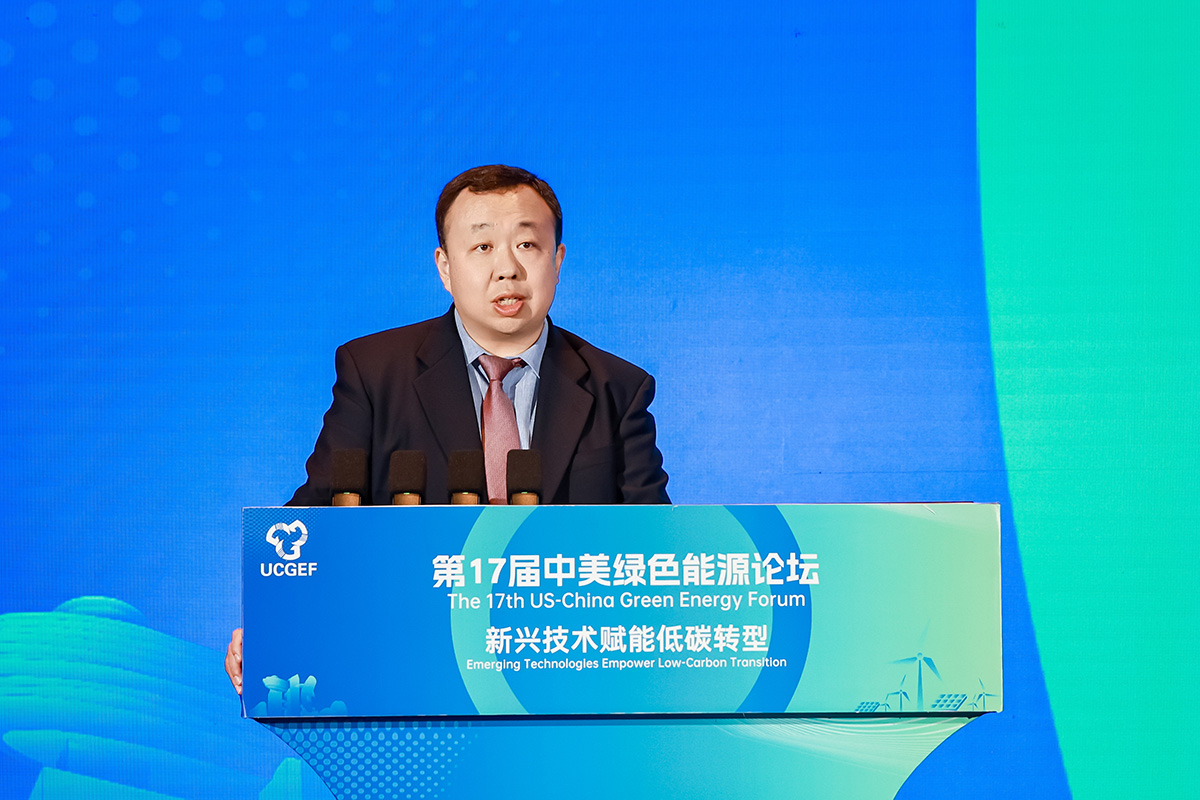
Guo Jianbo, Vice President of CSEE and Academician of the Chinese Academy of Engineering, highlighted China’s progress in building a new-type power system to achieve its “dual-carbon” goals, while addressing challenges including high renewable energy penetration and rapidly growing electricity demand from data centers.
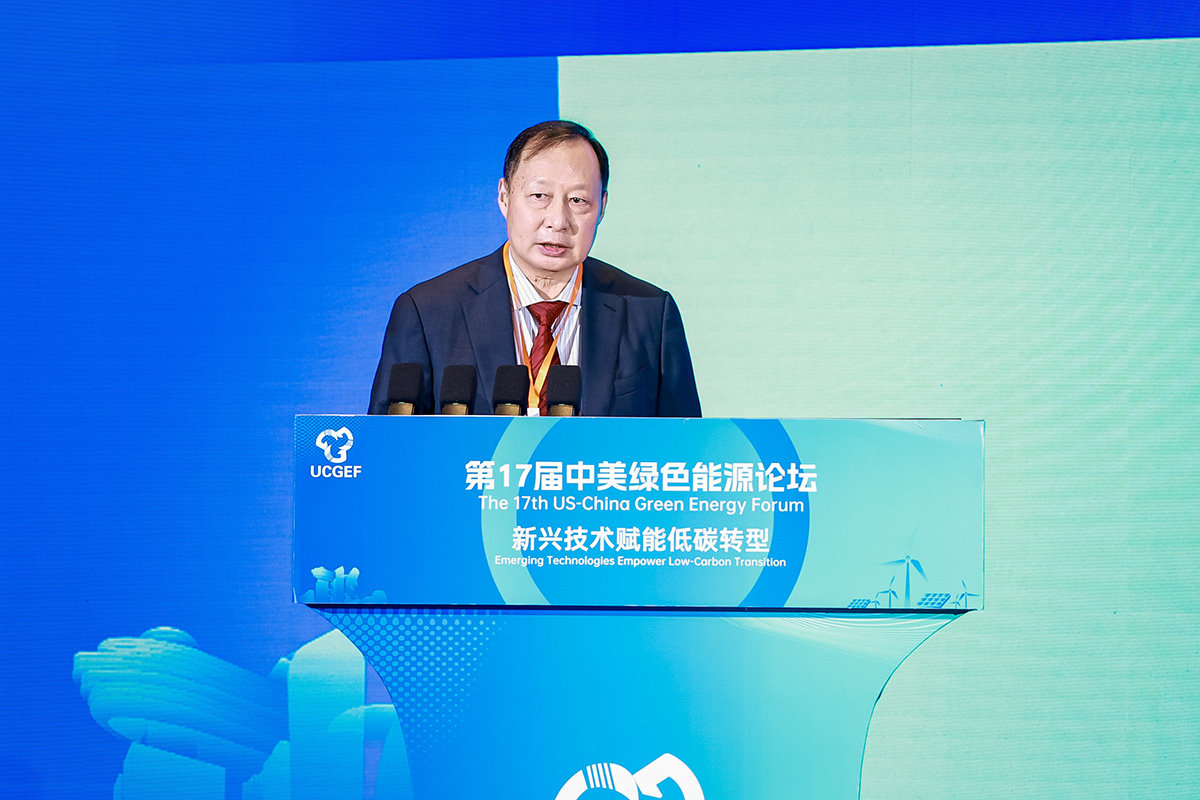
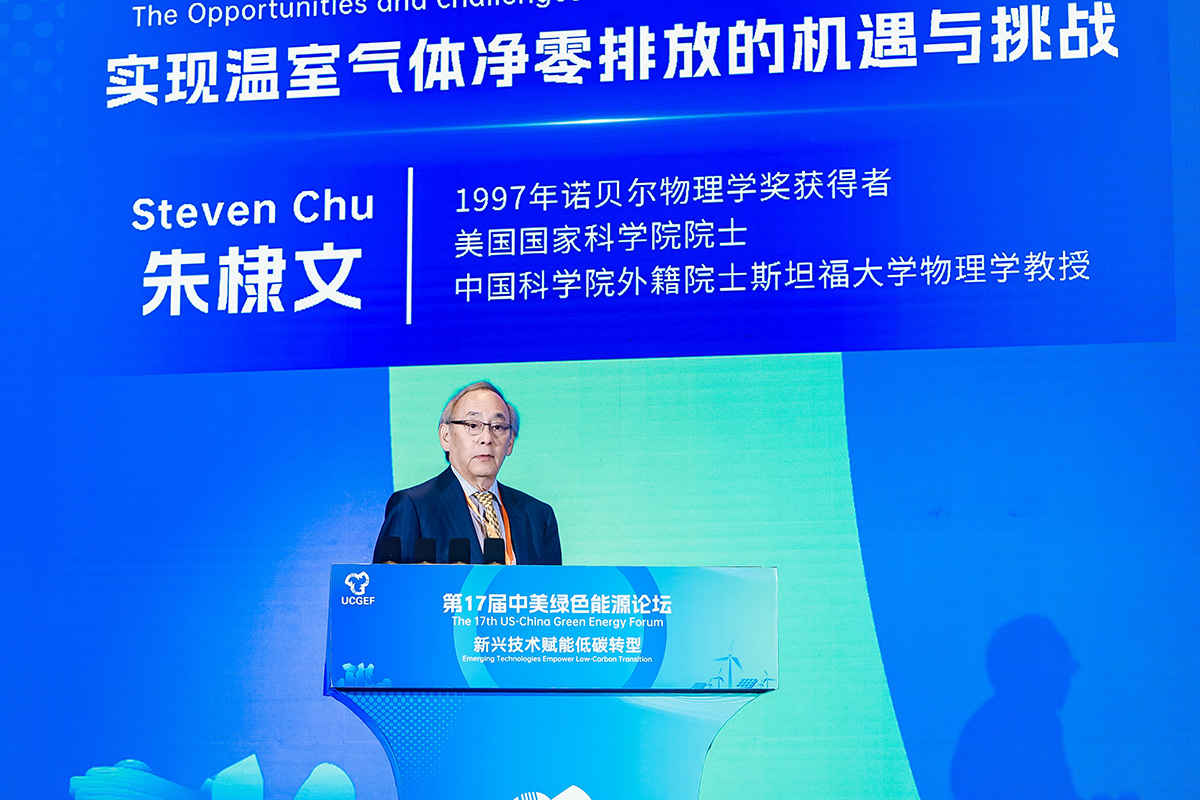
Steven Chu, Nobel Laureate in Physics and the 12th U.S. Secretary of Energy, shared insights on the urgency of climate change, California’s success in surpassing 60% renewable energy penetration, and frontier developments in advanced battery storage, nuclear energy, hydrogen, and microbial carbon sequestration.
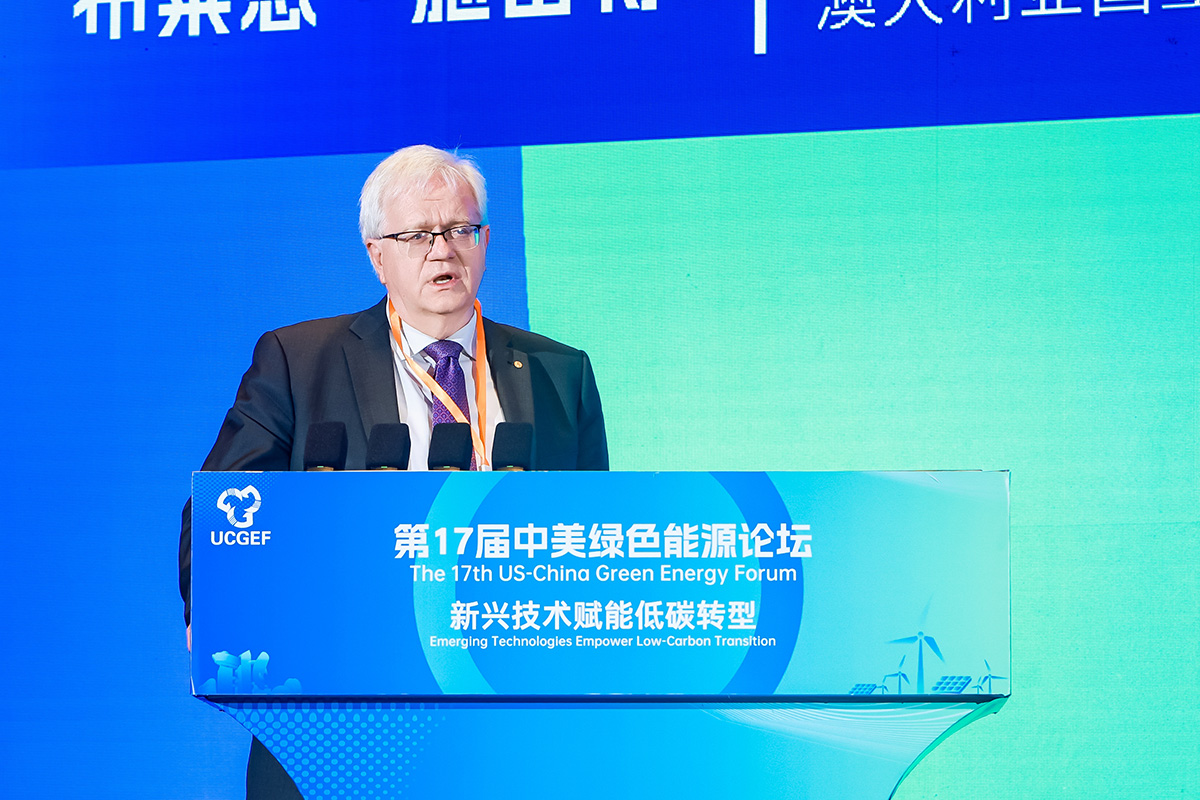
Brian Schmidt, Nobel Laureate and Fellow of the Australian Academy of Science, underscored the importance of establishing a global carbon pricing mechanism and effective government-market coordination to accelerate the energy transition.
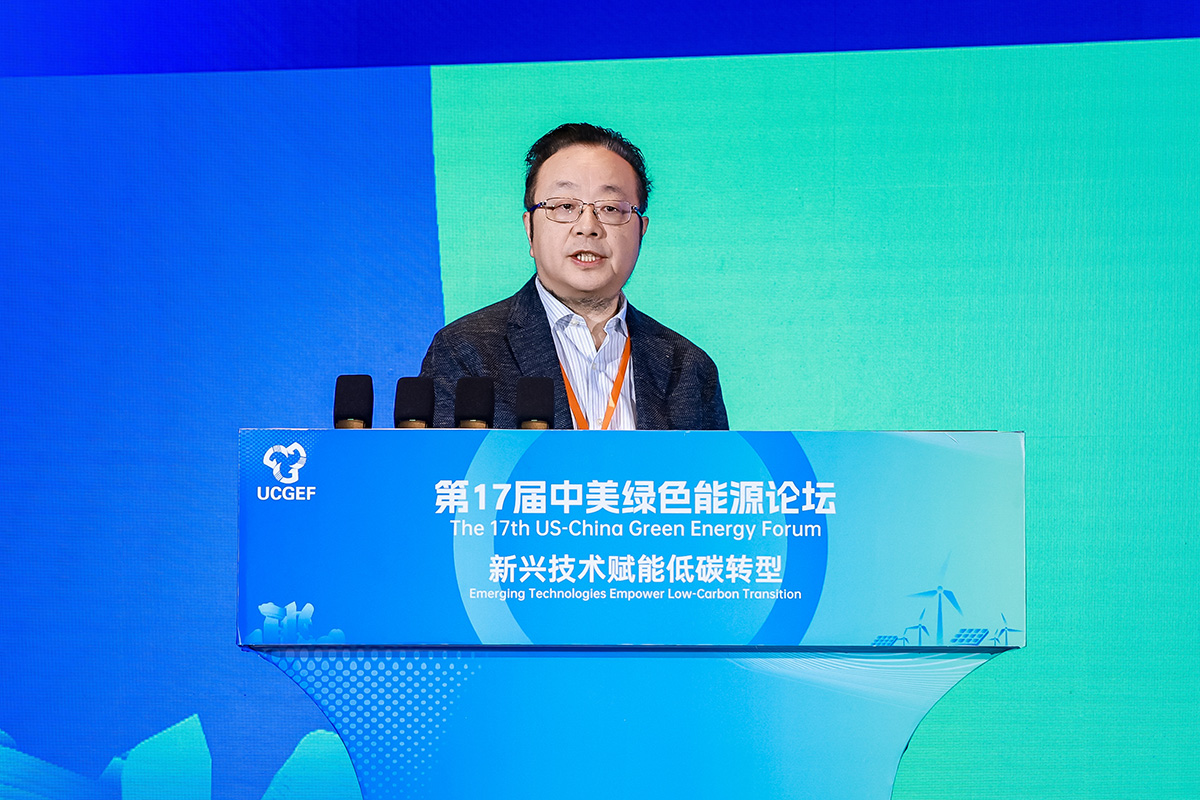
He Kebin, Dean of the Tsinghua University Carbon Neutrality Research Institute and Academician of the Chinese Academy of Engineering, emphasized system-level innovation and the coordinated advancement of energy, material, carbon, and information flows.
High-Level Dialogue and Practical Collaboration
A high-level panel discussion featured leaders from research institutions, global investment organizations, major energy enterprises, and universities, including Rodi Guidero, Executive Director of Breakthrough Energy, Professor Ma Shaodan of the University of Macau, Li Peng, Chief Artificial Intelligence Officer and Chief Technical Expert of China Southern Power Grid, Zhu Fahua, Chief Scientist for Environmental Protection at China Energy Investment Corporation (CHN Energy), Professor Zhu Jizong of South China University of Technology.
The panelists explored pathways for developing new-type power systems and advancing urban low-carbon transformation from both generation and end-use perspectives. The panel was moderated by Rao Hong, Chief Scientist of China Southern Power Grid.
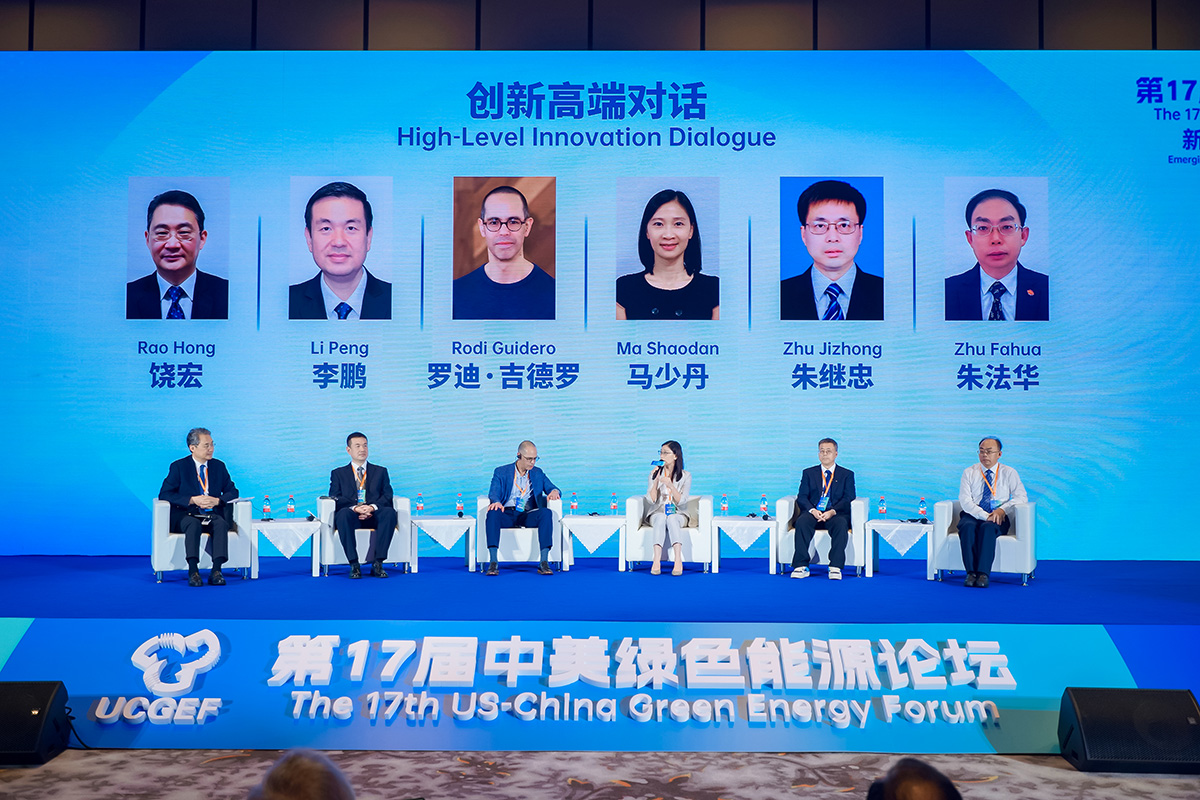
Experts emphasized that in today’s complex global environment, it is essential to strengthen non-governmental exchange, abandon zero-sum thinking, and promote “coopetition” — constructive competition combined with international collaboration — to build global synergy in addressing climate change.
Closed-Door Roundtable and Technical Sessions
The closed-door roundtable session gathered over 30 experts from China and the United States to discuss:
- International experience in high-renewable integration
- The future of advanced energy storage
- Low-carbon transition pathways for megacities
- Strengthening scientific and technological cooperation
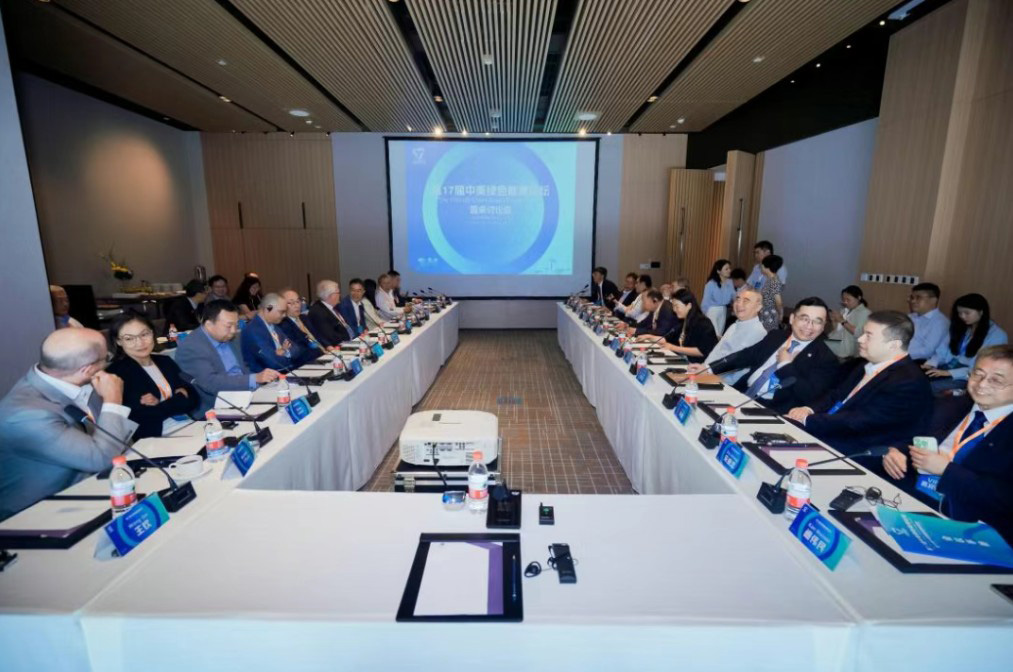
The Forum also featured three parallel technical sessions on:
- Artificial Intelligence and Power Systems
- Low-Carbon and Resilient Smart Cities
- Power-Computing Synergy
Together, participants shared cutting-edge research, demonstration applications, and practical solutions to accelerate the global energy transition.